A Beacon of Hope in the Sahel: The Daganamat Maternity Ward and the Fight for Maternal Health in Agadez, Niger
To address critical maternal health challenges in Niger's remote Agadez region, authorities have launched the construction of a new maternity ward within the Daganamat Integrated Health Center, funded by Spain and implemented by the International Organization for Migration. This strategic initiative directly tackles the region's high maternal mortality rates by providing safer delivery conditions and reducing obstetric complications for a historically underserved population. The project represents a crucial investment in decentralizing healthcare infrastructure, bringing essential services closer to communities and alleviating pressure on overburdened facilities
A Beacon of Hope in the Sahel: The Daganamat Maternity Ward and the Fight for Maternal Health in Agadez, Niger
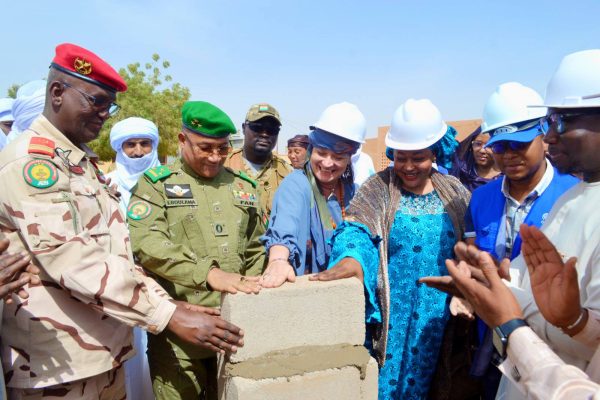
In the vast, sun-scorched expanses of northern Niger, where the nearest doctor can be a day’s journey away, a single building project can signify a profound shift. On Tuesday, April 21, 2026, such a shift began with the groundbreaking ceremony for a new maternity ward at the Daganamat Integrated Health Center (CSI) in Agadez. This initiative, spearheaded by regional authorities and backed by international partnership, is more than just construction—it’s a strategic intervention in one of the world’s most challenging landscapes for maternal healthcare.
A Response to Persistent Healthcare Pressure
Addressing a Critical Gap in a Fragile Region
The Agadez region epitomizes the healthcare access crisis in the Sahel. Distances are immense, infrastructure is sparse, and existing facilities are chronically overcrowded and under-equipped. For pregnant women, this often means perilous journeys on rough terrain to reach basic care, a factor that directly contributes to Niger’s tragically high maternal mortality rate—one of the highest globally.
The new Daganamat maternity ward, funded by the Kingdom of Spain and implemented by the International Organization for Migration (IOM), is designed as a direct countermeasure. Its core objectives are multifaceted:
Proximity: Bringing essential maternal health services closer to the community, reducing dangerous travel times for labor and emergencies.
Safety: Providing a dedicated, hygienic space for deliveries to drastically reduce infection rates and obstetric complications like fistula.
Capacity: Easing the burden on the existing, overwhelmed CSI structure, allowing for better patient care and staff working conditions.
Highlighted Cooperation
Beyond Bricks and Mortar: A Holistic Approach to Care
As emphasized during the ceremony presided over by Governor Major General Ibra Boulama Issa, this project transcends physical infrastructure. It represents a strengthening of the entire care chain for mothers and newborns. This holistic view is critical. A modern building alone cannot improve health outcomes; it must be part of a system that includes trained staff, reliable equipment, and effective referral pathways.
The presence of representatives from Niger’s Ministry of Public Health, the Ministry of the Interior, and the IOM underscored this integrated, multi-institutional approach. Such coordination is essential to ensure the facility is sustainably staffed, supplied, and integrated into the national health strategy.
A Still Fragile On-the-Ground Reality
The Stark Reality: A Visit to the Existing Facility
The post-ceremony visit to the current maternity ward at Daganamat CSI provided a sobering context. Delegates witnessed the daily reality: dedicated healthcare workers operating with limited resources, managing an influx of patients with insufficient equipment. This firsthand observation highlighted the structural challenges—inadequate space, a lack of essential medical devices, and the constant strain of demand exceeding capacity.
In response, the IOM Chief of Mission affirmed that the new ward would be equipped with modern, needs-appropriate facilities. This commitment is vital; appropriate technology—from reliable lighting and sterilization equipment to basic neonatal resuscitation units—can mean the difference between life and death.
A Symbol of Partnership and Sustainable Development
The Daganamat project is a tangible example of effective international cooperation. The IOM’s long-term commitment to supporting local development in this strategic region moves beyond emergency aid to building resilient community infrastructure. For the Kingdom of Spain, it represents targeted development assistance with a direct, measurable impact on human welfare.
While this single maternity ward will not solve the systemic shortcomings of Niger’s healthcare network overnight, its significance is immense. For the thousands of women and families in and around Agadez, it embodies the concrete hope for more dignified, accessible, and safer maternal care. In a nation where demographic growth and health security are inextricably linked, each such facility is a critical node in a larger network of survival and well-being. The Daganamat maternity ward is not just a building; it is a foundational step toward a healthier future for Niger’s next generation.
ECOMIG and the Gambian Defence and Security Forces launched a week-long breast cancer awareness campaign at the Gambia School of Nursing and Midwifery in Banjul, opening with a route march and a ceremony featuring a keynote address and self-examination demonstrations. Activities are scheduled to continue through 22 October with screenings in Yundum, Barra and Kanfenda.
The Office of the ECOWAS Resident Representative and the ECOWAS Stabilisation Support Mission in Guinea-Bissau held a breast cancer awareness campaign at Kwame Nkrumah Secondary School in Bissau on 22 October 2026. Ambassador Ngozi Ukaeje and Force Commander Brigadier General Danjuma Ribah Dantani stressed early detection, while Major Sylvester Alhassan delivered a sensitisation lecture on signs, risk factors and treatment.
A joint ECOWAS and GIZ mission assessed capacity-building needs at the Bafatá and Gabú regional hospitals in Guinea-Bissau from 13 to 23 October 2026. It found shared problems including insufficient funding, staff shortages, weak information systems and gaps in hygiene, waste management and safe water access, and set out six proposed areas of intervention pending further assessment and costing.
Comments