Sahel Confederation’s New Radio Board Signals Strategic Shift in Regional Information Warfare
The Report
As reported by the Communication, Culture, Arts, and Tourism Ministry (MCCAT) of Burkina Faso, the Minister of Communication, Culture, Arts, and Tourism, Pingdwende Gilbert OUEDRAOGO, officially installed the nine-member Board of Directors for the AES radio station Daandè Liptako on Monday, June 8, 2026, in Ouagadougou. The board comprises three representatives each from Burkina Faso, Mali, and Niger, drawn from ministries responsible for Communication, Foreign Affairs, and the Economy.
The board’s mandate includes consolidating the AES Confederation’s communication mechanisms amid security and information challenges, promoting dialogue, and advancing the fight for genuine sovereignty. The President of the Board, Madame Mossokoura KONATE, a Technical Advisor to Mali’s Ministry of Communication, described the role as a historic mission to lay the foundations for the confederation’s radio station. The board’s first meeting, held immediately after the installation, reviewed approximately ten agenda items.
“To combat disinformation, tell our own story, and shape narrative.”
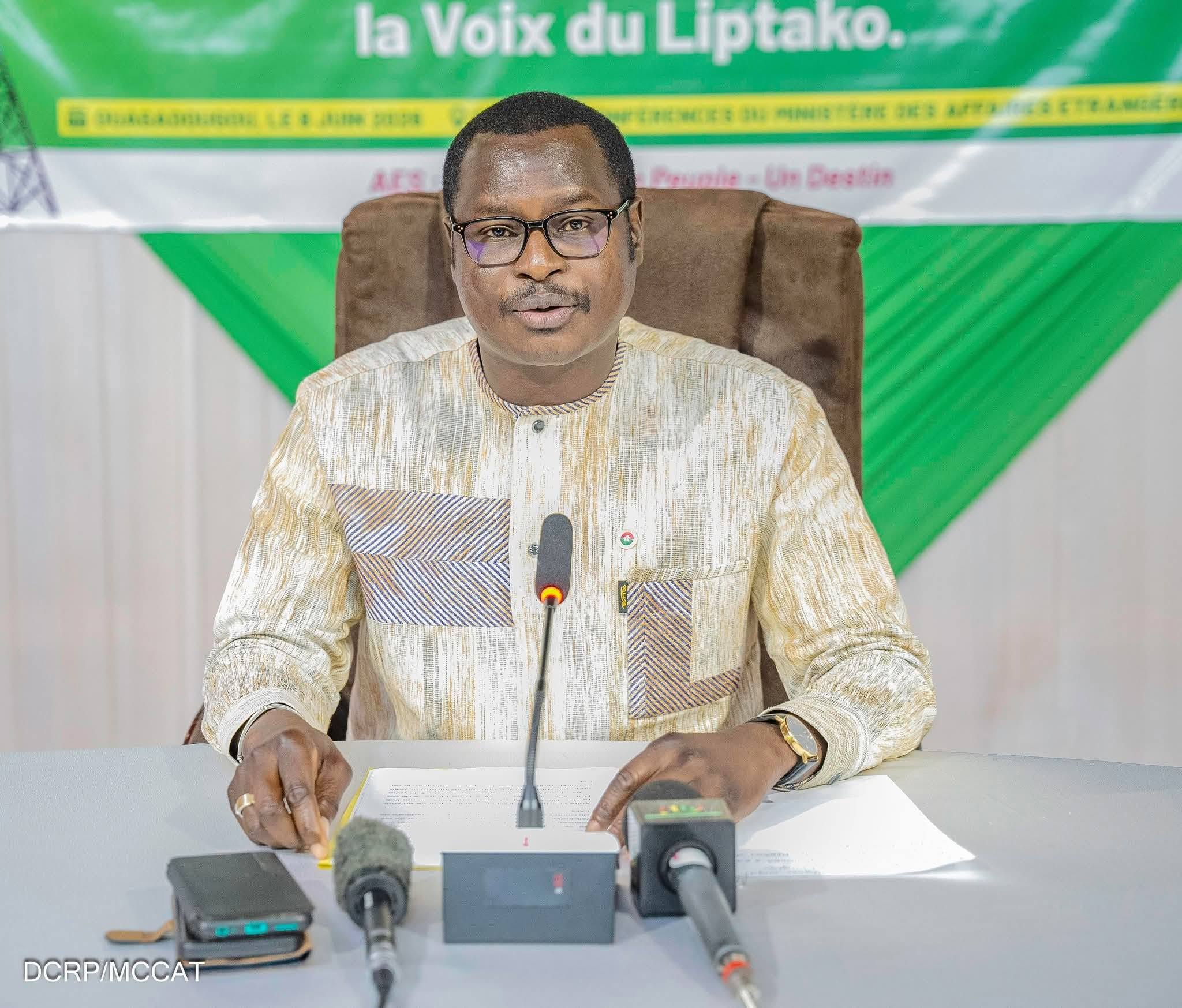
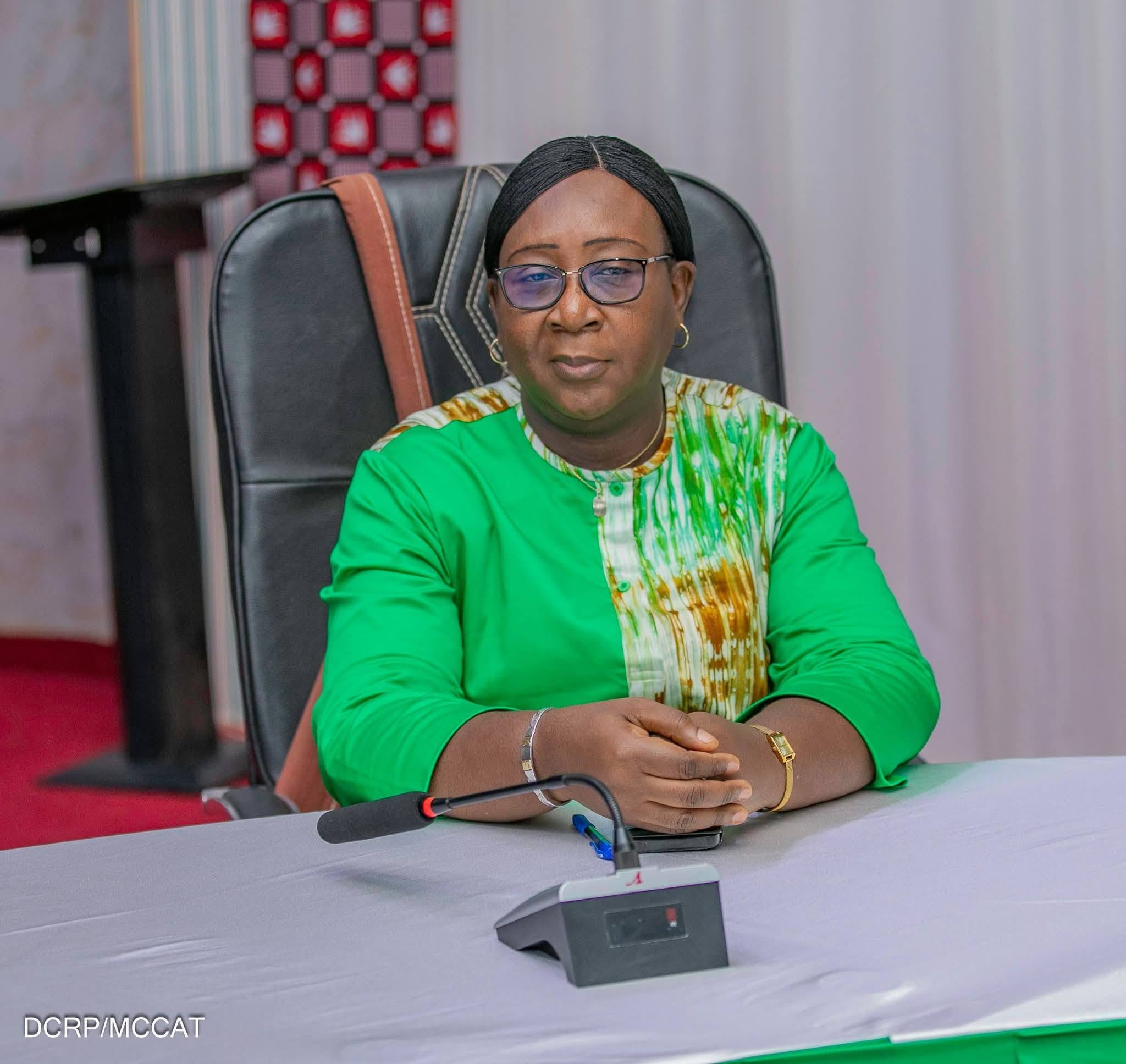
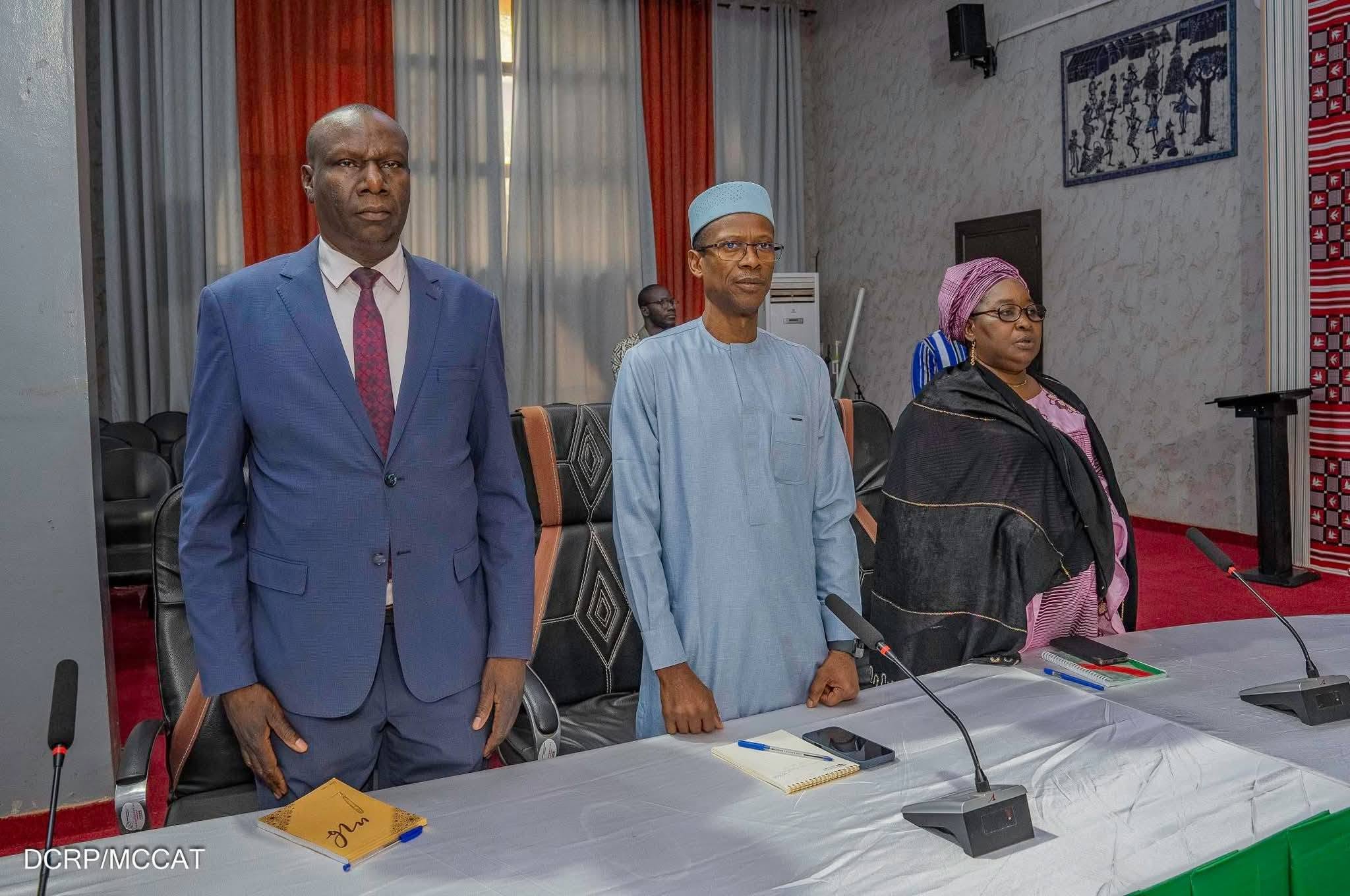
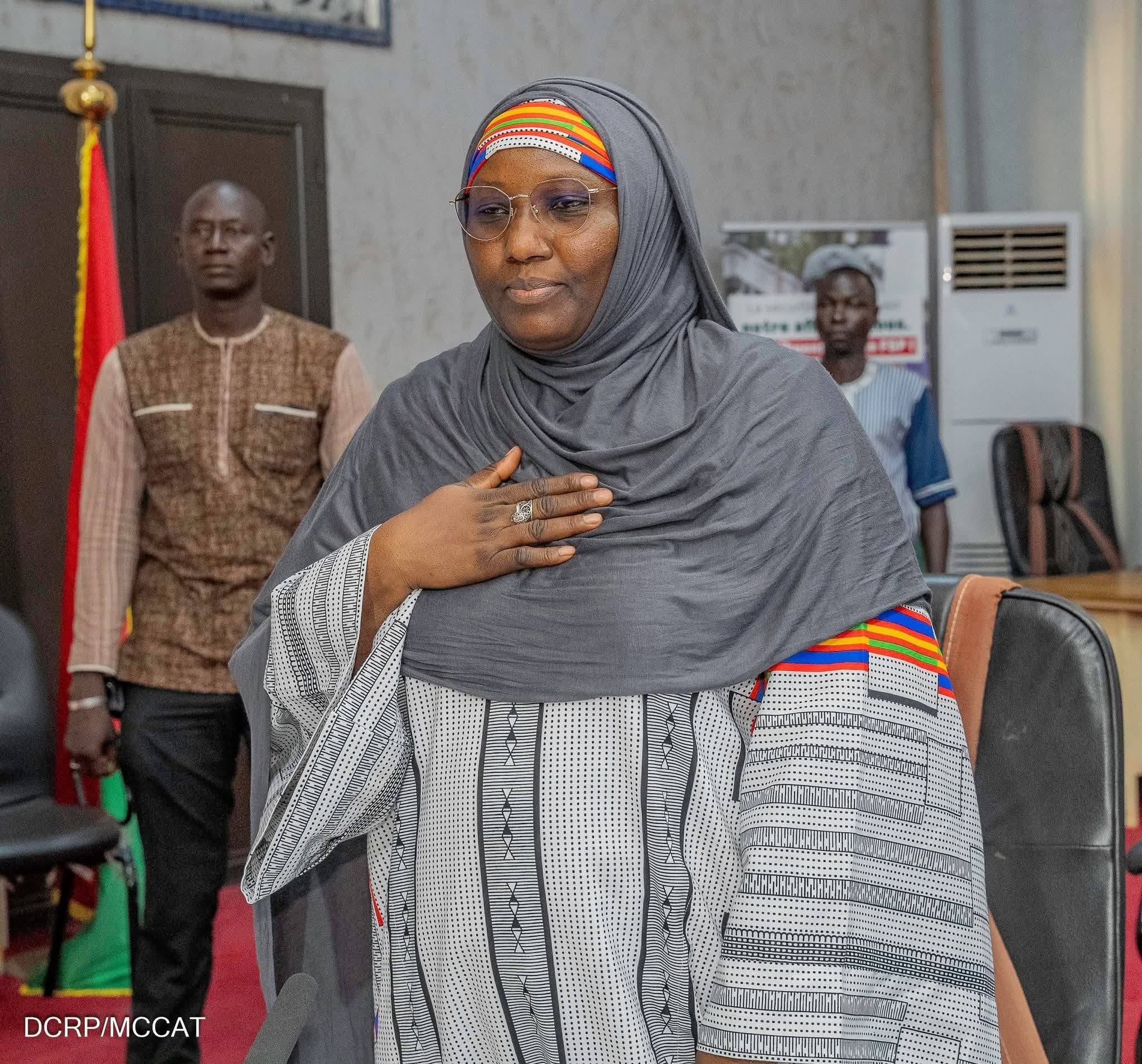
Daandè Liptako radio was officially launched on December 21, 2025, and the board members were appointed on May 26, 2026, by Captain Ibrahim TRAORE, President of Faso and current Chair of the Confederation of Sahel States. The station’s headquarters are based in Ouagadougou.
WANA Regional Analysis
The formal installation of a tri-national board for Daandè Liptako represents a significant institutional milestone for the Alliance of Sahel States (AES), moving beyond symbolic declarations toward operational governance in the information domain. For West Africa, this development signals that the AES—comprising Burkina Faso, Mali, and Niger—is actively building state-backed media infrastructure designed to counter what its leaders perceive as hostile narratives from both regional and international outlets.
From a regional security perspective, the board’s composition—drawing from foreign affairs, economy, and communication ministries—indicates that the AES views information control as a cross-cutting strategic priority, not merely a communications exercise. This aligns with the confederation’s broader push for sovereignty, which includes withdrawing from ECOWAS and forging new security partnerships outside traditional Western frameworks. The radio station is likely to become a key platform for projecting AES unity, countering jihadist propaganda, and challenging ECOWAS’s diplomatic influence in the Sahel.
Economically, the establishment of a confederation-wide broadcaster may also serve to promote intra-AES trade and investment, particularly as the three states seek to reduce reliance on coastal West African ports and financial systems. By controlling the narrative around infrastructure projects, resource extraction, and security operations, the AES can attempt to attract alternative partners—such as Russia, Turkey, or China—while diminishing the credibility of ECOWAS-aligned reporting.
For ECOWAS, the launch of Daandè Liptako poses a direct challenge to its own regional communication strategies. The bloc has historically relied on institutions like the ECOWAS Commission’s Directorate of Communication to foster integration and shared values. The AES radio station, by contrast, is explicitly designed to promote a counter-narrative of sovereignty and self-determination, potentially deepening the informational divide between the Sahelian states and the coastal members of ECOWAS.
From a governance standpoint, the appointment of a Malian technical advisor as board president suggests an effort to balance national interests within the confederation, though the station’s headquarters in Ouagadougou—under the chairmanship of Burkina Faso’s leader—may create perceptions of Burkinabe dominance. How the board navigates internal coordination on editorial policy, funding, and content priorities will be a critical test of AES institutional cohesion.
Looking ahead, the station’s ability to “ramp up its power to counter disinformation” will depend on technical capacity, frequency allocation, and audience reach across the three countries. If successful, Daandè Liptako could become a model for other regional blocs seeking to assert informational sovereignty. However, if it becomes a vehicle for state propaganda or internal factionalism, it risks further isolating the AES states from the broader West African media ecosystem.
Regional Backdrop
The AES was formally established in September 2023 as a mutual defense pact following the military coups in Burkina Faso (2022), Mali (2020, 2021), and Niger (2023). The confederation has since moved toward deeper political and economic integration, including the creation of a joint investment bank and a common currency initiative. The launch of Daandè Liptako in December 2025 was part of this broader institutionalization drive. Historically, West African governments have used state broadcasters to consolidate power and shape public opinion, but the AES’s tri-national structure is unprecedented in the region, reflecting the unique geopolitical rupture between the Sahelian states and ECOWAS.
Original Reporting By:
MCCAT Burkina Faso
