
Skip to content

West Africa News Agency

Agence de Presse Ouest-Africaine

Search news

Type to search stories, topics and pages.

Headlines

Author: Kabir Isa

Uncategorized

Nigeria’s Remittance Inflows Hit Record $947 Million in July, Closing in on CBN’s $1 Billion Monthly Goal

By Kabir Isa

Nigeria’s formal remittance inflows hit a record $947 million in July 2026, a 50.2% year-on-year surge that puts the Central Bank of Nigeria’s ambitious $1 billion monthly target within reach. This milestone validates the CBN’s strategic reforms—market-determined exchange rates, a revamped IMTO regulatory framework, and the Non-Resident Bank Verification Number—which have successfully redirected diaspora funds from informal channels into the formal economy. Beyond the headline figure, the influx bolsters foreign exchange liquidity, strengthens Nigeria’s external financing position, and supports household income, proving that targeted policy can systematically formalize remittance flows. The CBN’s sustained focus on diaspora engagement and reducing bottlenecks signals a durable shift toward long-term financial stability, not just a one-month spike.
Uncategorized

Nigeria’s Hydrological Agency Clarifies Flood Cause, Says Lagdo Dam Not Releasing Water

By Kabir Isa

The Federal Government has officially debunked rumors of water release from Cameroon’s Lagdo Dam, confirming the reservoir is actively impounding water at 209.82 meters—well below its 216-meter maximum—thereby eliminating cross-border flooding as a current threat. Instead, the Nigeria Hydrological Services Agency attributes ongoing floods to localized causes: intense rainfall, poor drainage, waste dumping, and unauthorized urban development. With Nigeria’s major dams (Kainji and Jebba) operating safely within normal levels, the government urges calm, framing the crisis as a domestic infrastructure and urban planning issue rather than an international one. The key takeaway: public panic is unfounded, and flood mitigation efforts should focus on internal drainage systems and waste management, not external dam operations.

Uncategorized

Gambian Drug Agency Seizes Ecstasy Tablets and Manufacturing Equipment in First-of-Its-Kind Bust

By Kabir Isa

The Gambia has achieved a historic milestone in its anti-narcotics efforts with the arrest of a Nigerian national found in possession of over 9,000 ecstasy tablets and a drug-manufacturing machine—the first such equipment ever discovered in the country. This seizure signals a critical escalation in the regional drug threat, moving beyond simple trafficking toward the potential establishment of local clandestine synthetic drug laboratories. The operation underscores DLEAG's strategic shift to dismantle not just drug flows but also nascent production infrastructure, while highlighting the need for public vigilance to protect youth from this evolving danger.

Uncategorized

Henna Training in Ségou: A Path to Economic Independence for Young Women

By Kabir Isa

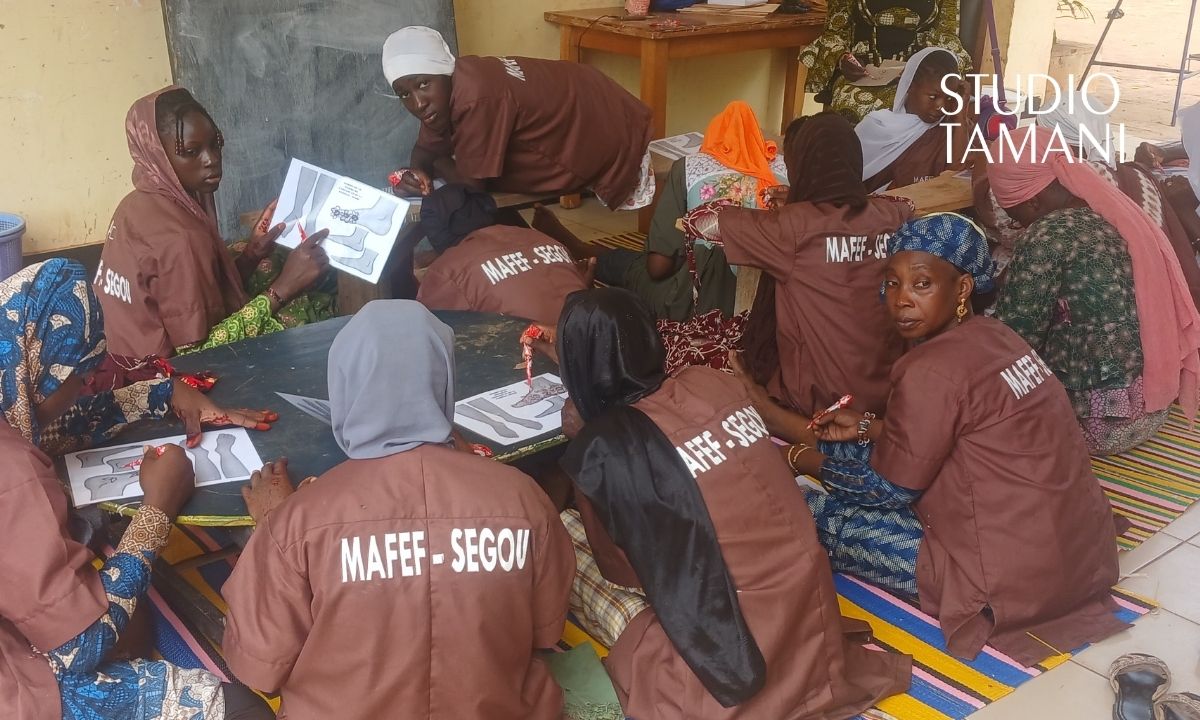
In Ségou, Mali, a month-long practical henna training program has launched for roughly fifty young women, positioning the traditional art as a direct pathway to economic self-sufficiency. Spearheaded by the local Maison de la femme, this initiative transcends mere skill acquisition, strategically converting cultural heritage into a tangible income-generating activity. The core value proposition lies in its immediate, practical application: equipping participants with a marketable craft to foster financial independence. This model highlights a replicable grassroots approach to women's empowerment, leveraging local artistic traditions to create sustainable livelihoods.

Uncategorized

Togo’s New Forestry Code Moves Forward as Government Balances Conservation and Development

By Kabir Isa

Togo’s new forestry code, adopted by the Council of Ministers, strategically pivots from pure conservation to a balanced model that integrates local community participation, private investment, and agroforestry to combat climate change and biodiversity loss. By decentralizing forest management to local authorities and formalizing community involvement in land classification, the legislation directly addresses the root cause of ecosystem degradation—energy-driven wood use—while simultaneously strengthening enforcement against poaching and wildlife trafficking. The code is a critical legislative pillar supporting Togo’s ambitious national targets of restoring 1.4 million hectares by 2030 and its 2025 reforestation budget of CFAF 11.18 billion, positioning legal reform as the catalyst for large-scale environmental recovery. Ultimately, this draft law signals a shift toward treating forests as socio-economic assets, where regulated access to genetic resources and benefit-sharing mechanisms are designed to make conservation economically viable for local populations.

Uncategorized

West Africa LPG Expo Returns to Abidjan in 2026, Spotlighting Clean Cooking and Supply Chain Safety

By Kabir Isa

The West Africa LPG Expo returns to Abidjan on September 2–3, 2026, positioning Côte d’Ivoire as the regional hub for advancing LPG access and clean cooking solutions. The event’s core value lies in bridging policy, industry, and safety standards, featuring a dedicated “Clean Cooking for Life” workshop by the World Liquid Gas Association and high-level government participation, including a ministerial presentation on expanding national LPG access. This edition signals a strategic push to formalize supply chains and regulatory frameworks across West Africa, with the Ivorian government’s active role underscoring its commitment to energy transition. For stakeholders, the expo is a critical networking and deal-making platform to align with regional energy priorities and capture emerging market opportunities in clean cooking.

Uncategorized

Saba senegalensis: The Tangy West African Fruit With a Hidden Therapeutic Side

By Kabir Isa

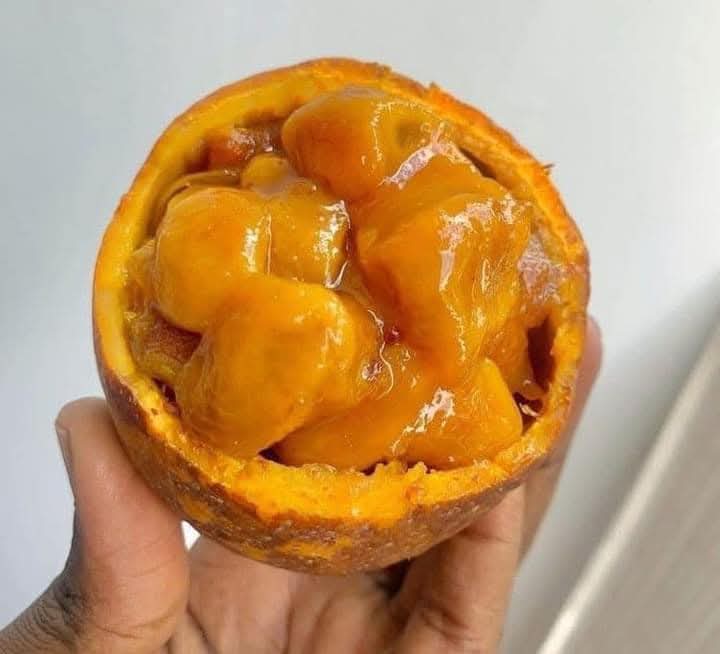
The Maad fruit (Saba senegalensis) is not merely a seasonal delicacy but a comprehensive natural pharmacy, offering a dual value proposition: its vitamin C-rich pulp bolsters immunity and digestion, while its leaves and bark deliver potent antiseptic, respiratory, and digestive remedies validated by both modern nutritionists and centuries of traditional practice. The plant's true strategic insight lies in its full-spectrum utility, providing targeted treatments for skin wounds, coughs, headaches, and even hypertension through simple preparations like poultices, inhalations, and macerations. This positions Maad as an underutilized economic and health asset for West Africa, where its wild growth and established cultural acceptance create a unique opportunity for integrated health and commercial development. The core takeaway is that Maad's value extends far beyond the market stall, representing a bridge between traditional pharmacopoeia and modern wellness that deserves formal recognition and investment.

Uncategorized

Guinean Football Leader Endorses Ibrahima Kalil Kaba Ahead of October General Assembly

By Kabir Isa

This is a decisive call for unity and reform in Guinean football, issued by a respected former national team player and league president. The author argues that the recent institutional collapse of the FGF and the national team's failure to qualify for CAN 2025 are symptoms of a deep-rooted crisis of instability and mismanagement at the highest levels. To address this, he is officially endorsing Ibrahima Kalil Kaba as the only consensus candidate capable of restoring financial rigor, calming internal divisions, and reassuring international bodies like FIFA and CAF. The core message is that the upcoming October 2026 election is a critical, no-mistakes-allowed opportunity for a national resurgence, demanding a shift away from clan rivalries toward competent, unified leadership.

Uncategorized

Artisanal Gold Mining in Niger’s Sahara: A Roundtable Tackles Security, Health, and Migration

By Kabir Isa

This roundtable in Agadez confronts the dangerous intersection of securitization, migrant exploitation, and health crises in Niger's gold zones, where over 800,000 people work across 200 sites. The core tension is that government closures of mining sites—justified by security and revenue opacity—directly fuel the very migration and criminal exploitation they aim to stop, trapping vulnerable workers between hazardous labor and deadly migration routes. The project's unique value lies in using storytelling to dismantle harmful narratives and replace them with human rights-based discourse, recognizing that the real crisis is not migration itself but the predatory systems and environmental devastation surrounding artisanal mining. Ultimately, the discussion reveals that sustainable solutions require addressing the root causes—economic desperation, chemical poisoning, and exploitative labor practices—rather than merely policing borders or shutting down mines.

Uncategorized

Jammeh’s Movement to Declare Coalition Stance Soon, Says Lawmaker

By Kabir Isa

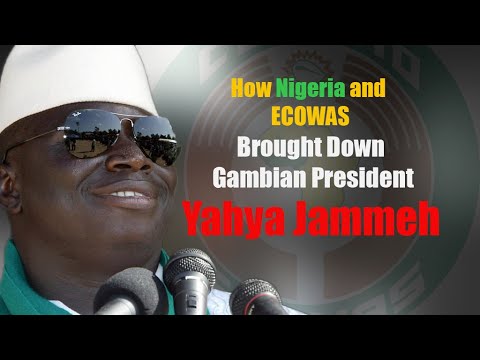
Former President Yahya Jammeh’s "No To Alliance" movement is poised to become a pivotal kingmaker in The Gambia’s December presidential election, signaling a likely coalition with opposition parties to unseat Adama Barrow, though it has not ruled out fielding its own candidate. The movement’s non-negotiable condition for any partnership is Jammeh’s guaranteed return to The Gambia, which it frames as a commitment to national peace and reconciliation rather than a security threat. While the movement’s grassroots base proved decisive in the 2021 election by boosting GDC’s votes, its final allegiance hinges on strict terms and conditions, not mere coalition membership. Ultimately, the strategic calculus favors joining a coalition as the most viable path to electoral victory, making Jammeh’s return the critical linchpin that could reshape the political landscape.