
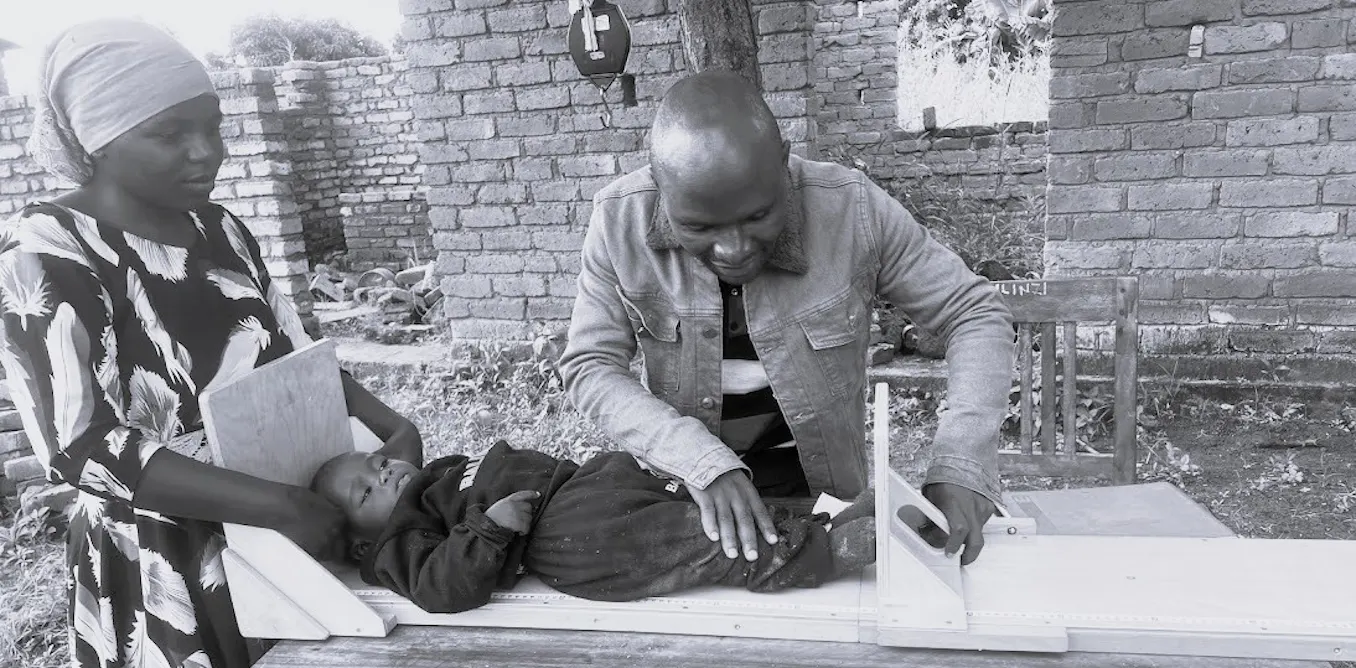
Stunting remains the most frequently reported form of child malnutrition across sub-Saharan Africa, according to a review of 50 studies published between 2015 and 2025.
The review, conducted by researchers drawing on expertise in public health, nutrition and health systems, examined evidence on malnutrition forms and intervention strategies for children under five.
In many African countries, more than 25% of children under five were reported to be stunted, with Tanzania, Uganda, Ethiopia, Liberia and the Central African Republic among those cited.
Stunting occurs when children are too short for their age owing to long-term nutritional deprivation.
Malnutrition is a broad term referring to deficiencies, excesses or imbalances in nutrient intake, while undernutrition specifically describes insufficient essential nutrients for healthy growth and development.
Undernutrition remains a major concern
The first two years of life are particularly important, according to the review. Many children experience nutritional setbacks when exclusive breastfeeding ends and the new foods introduced are insufficient in quantity or quality.
Across the reviewed studies, about 20% of children under five in 12 sub-Saharan African countries were underweight. Nutrition programmes reduced underweight rates, but illness, poor diet, unsafe water, poverty and limited maternal education increased the risk.
Wasting was also widely reported. This form of acute malnutrition involves rapid weight loss and increased risk of illness, and is strongly linked to food insecurity, poverty, poor sanitation and limited access to healthcare services.
At the same time, the region is beginning to face another challenge: children who are overweight.
It is reported less frequently in the reviewed studies, but childhood overweight is increasing in some countries, especially where urbanisation and changing food systems have increased access to highly processed foods.
Undernutrition and overweight can exist together, creating a double burden.
What interventions work?
The review grouped responses to child malnutrition into three broad categories: nutrition-specific, nutrition-sensitive and integrated approaches.
Nutrition-specific interventions directly address nutritional deficiencies, ensuring children get more nutritious food including breast milk. Programmes like this have shown positive results, particularly in treating acute malnutrition and improving child growth outcomes.
Screening and treating children in their communities has become an important way to reach families. But the review notes that this does not solve the underlying causes of malnutrition.
Nutrition-sensitive interventions address wider factors that influence children’s health. Agricultural programmes, water and sanitation improvements, disease prevention, cash transfers and maternal education are examples.
Home gardens can help households get enough food and a variety of food in their diets, but their effects on children’s physical growth have been mixed. Having food does not always mean better nutrition.
Care practices such as exclusive breastfeeding and appropriate complementary feeding must improve, and families also need access to nutrition counselling, immunisation and safe water.
Integrated solutions are best
The review found that combining approaches may provide the most sustainable results. Integrated programmes bring together direct nutrition support and interventions addressing poverty, food security, health services and environmental conditions.
Examples include programmes that combine breastfeeding promotion, nutrient supplementation, agricultural support and caregiver education. These approaches recognise that children’s nutrition depends on the wider conditions in which families live.
Strong community involvement is also essential, according to the review. Local knowledge, cultural practices and community participation can determine whether programmes are accepted and sustained over time.
A broader response is needed
Reducing child malnutrition in sub-Saharan Africa will require coordinated action, the review concludes. Governments, communities, health systems, the agricultural sector and development organisations must all get involved.
Policies must address immediate nutritional needs and also drivers such as poverty, climate change, food insecurity and unequal access to services.
The evidence shows that no single intervention can end child malnutrition. Sustainable progress will depend on combining nutrition programmes with investments in resilient food systems, education, sanitation and healthcare.
The review was conducted by researchers including Gabriel Kanuti Ndimbo, who received funding from the Andrew Carnegie Foundation through Future Africa at the University of Pretoria, and Chakupewa Joseph Mpambije, who disclosed no relevant affiliations beyond his academic appointment.
Source: The Conversation
Comments