

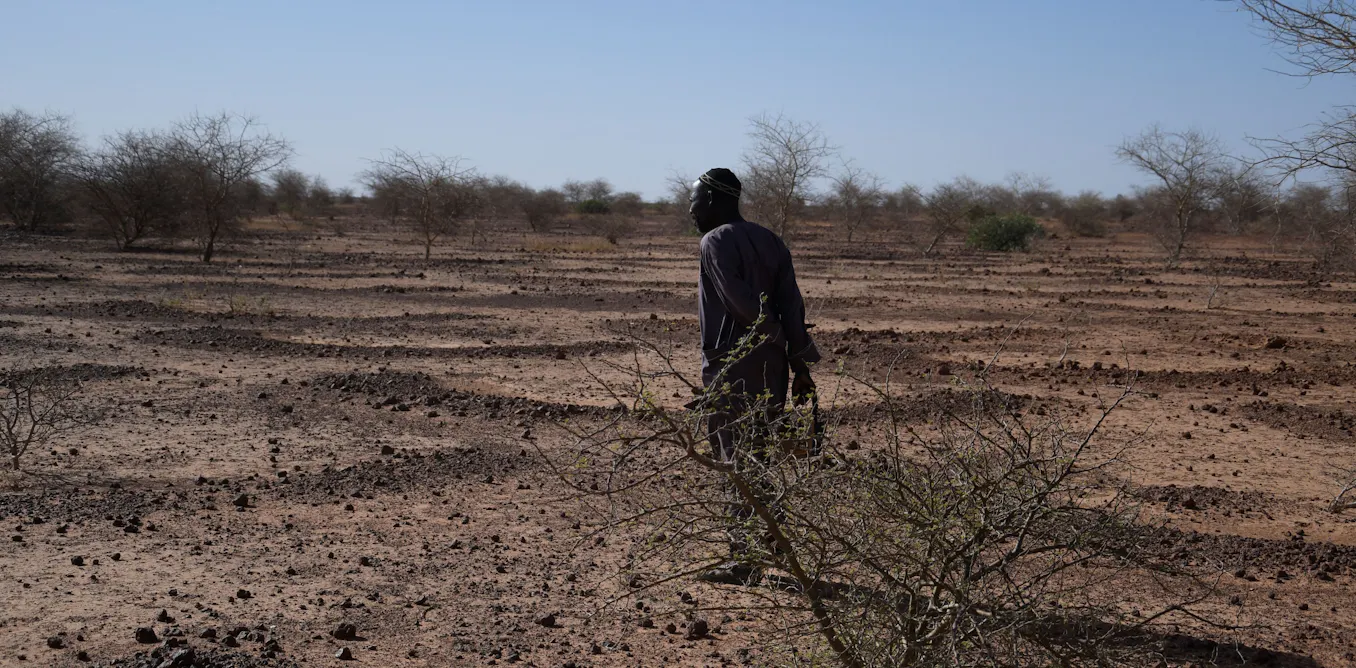
Nigeria is projected to record the world’s highest heat-related deaths from this year’s strong El Niño, per University of Chicago research estimating 451,000 additional heat deaths worldwide by February 2027.
The projection places four countries at the centre of the crisis: Nigeria, Sudan, Niger and Chad.
Together they are expected to see 66,800 additional deaths from extreme heat compared with a normal year, with nearly half of those — 31,400 — projected in Nigeria alone.
Which African countries face the greatest risk from El Niño’s extra heat, and why?
Sudan is projected to record the second-highest toll at 17,500 deaths, followed by Niger with 10,000 and Chad with 8,000. The Sahel — a belt of dry land stretching about 3.05 million square kilometres from the Atlantic Ocean to the Red Sea, between the Sahara Desert and tropical savannas — is expected to experience some of the largest temperature anomalies globally over the next six months, which the researchers identify as the reason the region faces higher impacts than elsewhere.
The research team, which included Michael Greenstone alongside Tamma Carleton, Genevieve Maricle and Emily Grover-Kopec, combined seasonal temperature forecasts from the European Centre for Medium-Range Weather Forecasts with peer-reviewed Climate Impact Lab research on how heat affects death rates.
Their analysis covers 24,378 regions worldwide and compares projected deaths with the average for the same months in 1996–2025.
Poverty and limited electricity access are central to the projected toll. In Nigeria, more than 60% of people were estimated to live below the national poverty line in 2025, and even homes with electricity face power cuts.
In Sudan, war has destroyed businesses and jobs and damaged power supplies, with an estimated 57% of people living in extreme poverty in 2025.
Niger recorded 41% of its population below the national poverty line in 2021, while Chad reported 44.8% living in poverty in 2022.
Electricity access is especially limited in two of the four countries. Only 21% of people in Niger and 13% in Chad had electricity in 2024, leaving most without power to run even a fan.
Many people in both countries depend on farming, which leaves them exposed to droughts and poor harvests.
How did you estimate the likely deaths in African countries?
The research projects that impoverished regions will generally see more heat-related deaths than wealthier regions facing similar temperatures, because low-income areas have fewer resources to protect people from extreme heat.
Separate research by the team found that even as temperatures rise, people in low-income countries have very little extra electricity to cope with the heat — the additional electricity per person used during high heat in low-income countries would only be enough to run one LED light bulb for four months, nowhere near enough to power an air conditioner.
Who is most at risk within these countries, and what can governments do now to protect them?
While the study did not directly address who is most at risk, the researchers point to existing evidence that older people over 65, children aged 0 to 4, and those with chronic health conditions face greater risk than others.
In Africa, people who work outdoors such as farmers and those who lack indoor cooling face considerable danger, and much of the continent lacks the electricity needed for air conditioning.
The team’s Adaptation Inventory, a searchable map of climate adaptation work worldwide, points to early warning systems paired with heat action plans as among the most effective near-term solutions.
Other measures with proven track records include targeted health outreach to elderly and vulnerable populations, cooling centres and hydration stations in high-risk areas, and protections for outdoor workers during peak-danger hours.
What steps could save the most lives quickly?
For hospitals in the Sahel, the researchers say governments will likely need to prepare for an increased number of people with sunstroke and heatstroke by hiring extra staff, securing supplies, and preparing for a surge in patients during forecasted heat spikes.
Source: The Conversation

Comments