
Skip to content

West Africa News Agency

Agence de Presse Ouest-Africaine

Search news

Type to search stories, topics and pages.

Headlines

Author: Kabir Isa

Uncategorized

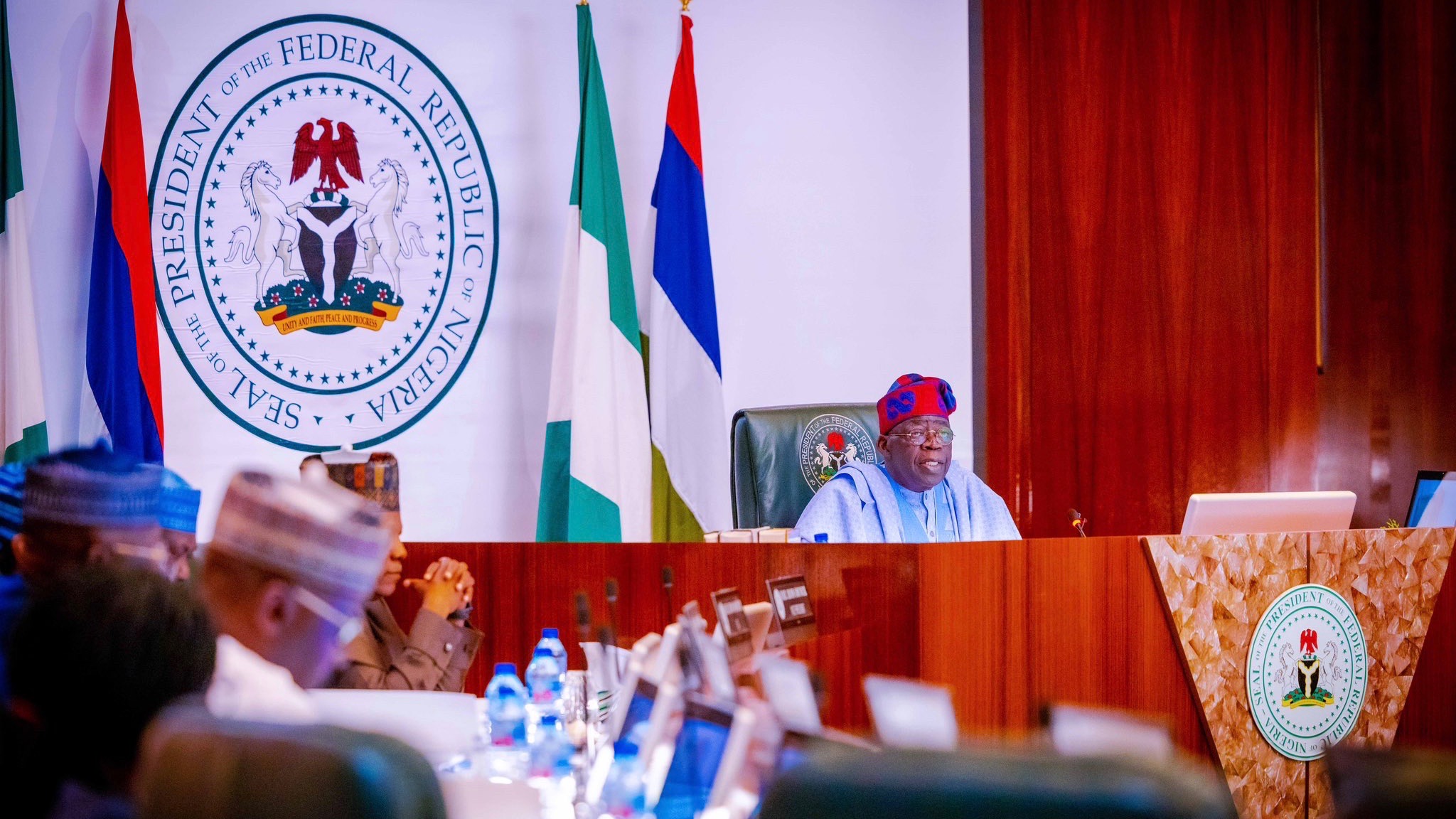
Pinnick Declines NFF Leadership Role as Nigerian Football Faces Governance Reforms

By Kabir Isa

Nigerian football is in a leadership vacuum after the NFF president’s resignation, prompting presidential intervention for reform, yet former chief Amaju Pinnick has explicitly refused to return, signaling a rejection of the old guard. The crisis stems from governance failures and recent on-field setbacks, making structural overhaul—not personnel swaps—the only viable path forward. Pinnick’s refusal underscores that the sport’s recovery depends on fresh, accountable leadership rather than recycling past figures. The core takeaway: Nigeria must institutionalize reform and transparency to stabilize its football administration, or risk continued decline.

Uncategorized

Nigerian AI Founders Tackle Real-World Challenges Across Key Sectors

By Kabir Isa

Nigerian AI founders are moving beyond generic chatbots to solve concrete, high-impact local challenges across healthcare, agriculture, education, and finance. Their core value lies in applying AI to real-world African pain points, such as medical documentation, pharmaceutical data, and African language processing, rather than chasing global trends. The key takeaway is that the most promising AI innovation in Africa is hyper-localized, addressing infrastructure gaps and cultural nuances that global tech giants overlook. This signals a shift from AI as a novelty to AI as a practical, essential tool for economic and social development in emerging markets.

Uncategorized

Nigeria to Overhaul Foreign Scholarship Programs, Prioritize Domestic Tertiary Investment

By Kabir Isa

Nigeria is halting costly foreign scholarship programs that fund studies abroad for courses already offered domestically, redirecting public funds to strengthen local tertiary institutions. The policy shift targets inefficient bilateral agreements—exemplified by a rejected proposal to send 100,000 students to Morocco for programs available in Nigeria, compounded by a mandatory year of French language study. The government will no longer co-fund such arrangements, though foreign nations may still sponsor Nigerian students independently. This move signals a decisive pivot from symbolic international education spending toward building domestic capacity and ensuring fiscal discipline.

Uncategorized

Atiku Challenges Tinubu Administration to Investigate $16bn Power Sector Allegations

By Kabir Isa

This summary highlights a direct challenge from Atiku Abubakar to President Tinubu, demanding a formal investigation and prosecution if evidence exists linking him to the alleged $16 billion power sector spending, rather than relying on recycled allegations. Atiku frames these revived accusations as a deliberate diversion from the government's lack of transparency regarding revenues from petrol subsidy removal, countering with a call for accountability on the "people's money." He asserts his innocence by noting he was never invited to testify in past probes and that he disagreed with the power project's concept, while repeatedly inviting scrutiny. The core takeaway is a demand for evidence-based governance over political propaganda, shifting the burden of proof onto the current administration.

Uncategorized

Presidency Accuses Atiku of Policy Contradictions Over Petrol Subsidy Stance

By Kabir Isa

This summary highlights a politically charged policy dispute, not a policy solution. The Presidency attacked Atiku Abubakar for issuing three contradictory statements on fuel subsidy within a week, framing the inconsistency as evidence of political opportunism rather than a coherent plan. The core critique demands Atiku clarify the mechanics of his "targeted subsidy"—specifically its cost, beneficiaries, funding, and exit criteria—while also challenging his oversimplified link between petrol prices and inflation. The key takeaway is that the Presidency is leveraging Atiku's mixed messaging to undermine his credibility, forcing him to either produce a detailed, defensible economic plan or risk being seen as unprepared for governance.

Uncategorized

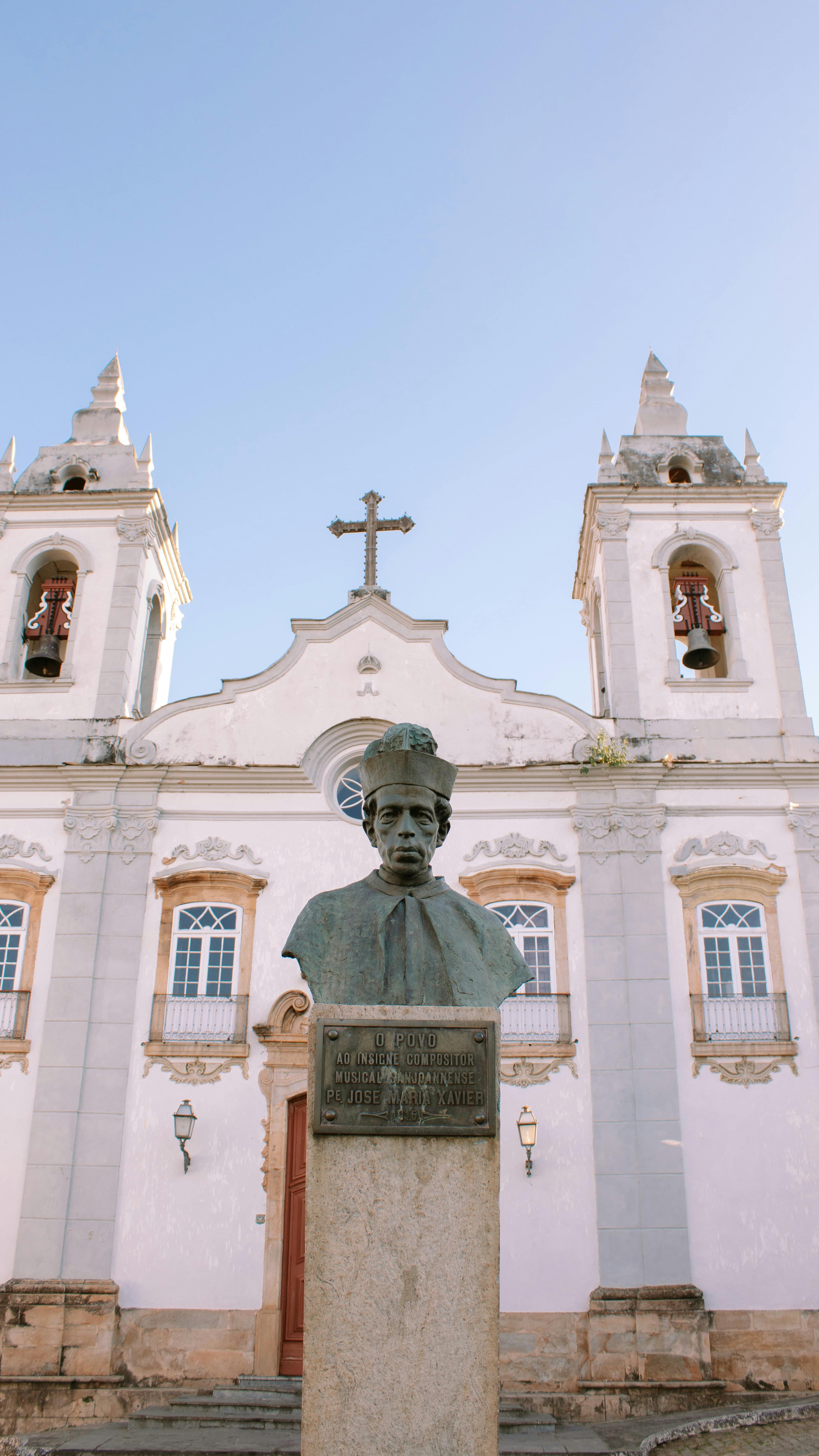
Emigrant Voices Raise Concerns Over Parish Patron Saint Dispute in Nossa Senhora do Monte

By Kabir Isa

This conflict reveals a community's spiritual identity under threat, where the renaming of a local patron saint from "Nossa Senhora da Graça" to "Nossa Senhora do Monte" is perceived not as a minor administrative change, but as a profound erasure of cultural and religious heritage. The emotional outcry from emigrant Alberto Santos crystallizes a deeper fracture: local leadership is accused of prioritizing institutional decisions over the deep-rooted sentiments of the parishioners, thereby fostering division instead of unity. The core value proposition here is the preservation of intangible heritage, as the community demands that historical memory and spiritual patrimony be respected over bureaucratic rebranding. Ultimately, this standoff underscores a universal tension between institutional authority and grassroots tradition, where the failure to reconcile the two risks alienating the very faithful who anchor the community's identity.